- What Soapstone Actually Is
- The Aesthetic: What You're Getting Visually
- How Soapstone Performs in a Tampa Bay Kitchen
- Soapstone vs. the Materials Tampa Bay Buyers Actually Choose
- Who Soapstone Actually Works For
- Finding a Fabricator Who Handles Soapstone
- The Honest Assessment
- Frequently Asked Questions
You've been scrolling through countertop options and soapstone keeps coming up. It looks different from granite and quartz — darker, softer in appearance, almost like something pulled from a farmhouse kitchen or an old apothecary. The photos are compelling. But before you go searching for soapstone countertops near you, it's worth understanding what you're actually buying and whether it makes sense for a Tampa Bay kitchen specifically.
Here's a fabricator's honest read on soapstone: what it is, how it performs, where it genuinely works well, and where another material will serve you better in this climate.
What Soapstone Actually Is
Soapstone is a metamorphic rock made primarily of talc. That talc content is what gives it the smooth, slightly waxy feel that sets it apart from granite or quartzite. It's been used in kitchens and laboratories for centuries — which tells you something about its durability. But talc also means it's soft. Soapstone typically sits between 1 and 2 on the Mohs hardness scale, compared to granite at 6 to 7 and quartzite at 7 or higher.
That softness has real consequences in a working kitchen. Soapstone scratches. It dents. Over time, it develops a patina — a worn, aged character that some homeowners love and others find difficult to live with.
The other defining property is non-porosity. Unlike granite, soapstone doesn't absorb liquids and doesn't need sealing. Acids won't etch it the way they etch marble. In a kitchen where someone is actually cooking, that's a meaningful advantage.
The Aesthetic: What You’re Getting Visually
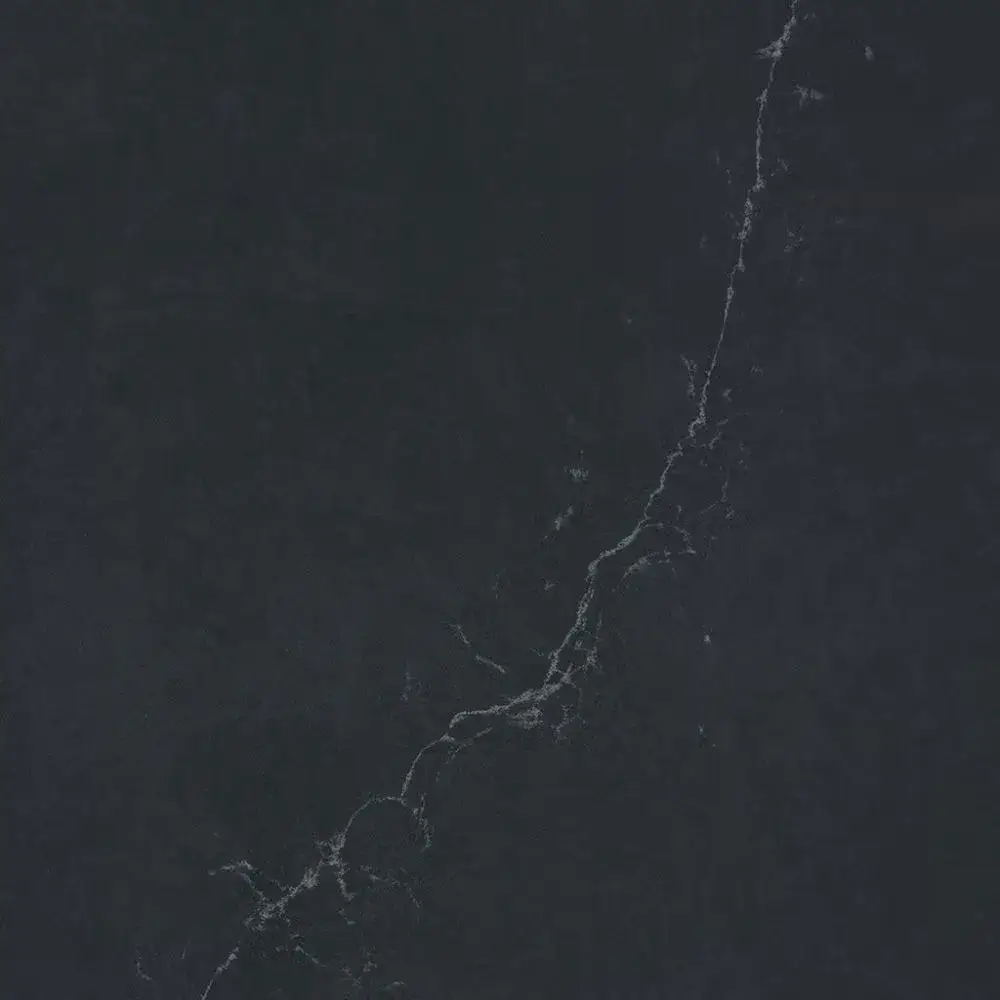
Soapstone runs in a narrow color range. Most slabs are dark gray to charcoal, sometimes with greenish or bluish undertones and white or gray veining. You won't find it in cream, beige, or white. If your kitchen calls for a lighter palette, soapstone isn't the right material.
Many homeowners apply mineral oil to their soapstone countertops to darken the surface and even out the color. This is a maintenance practice, not a one-time treatment — you'll repeat it periodically, especially in the early months. Some people enjoy the ritual. Others find it tedious.
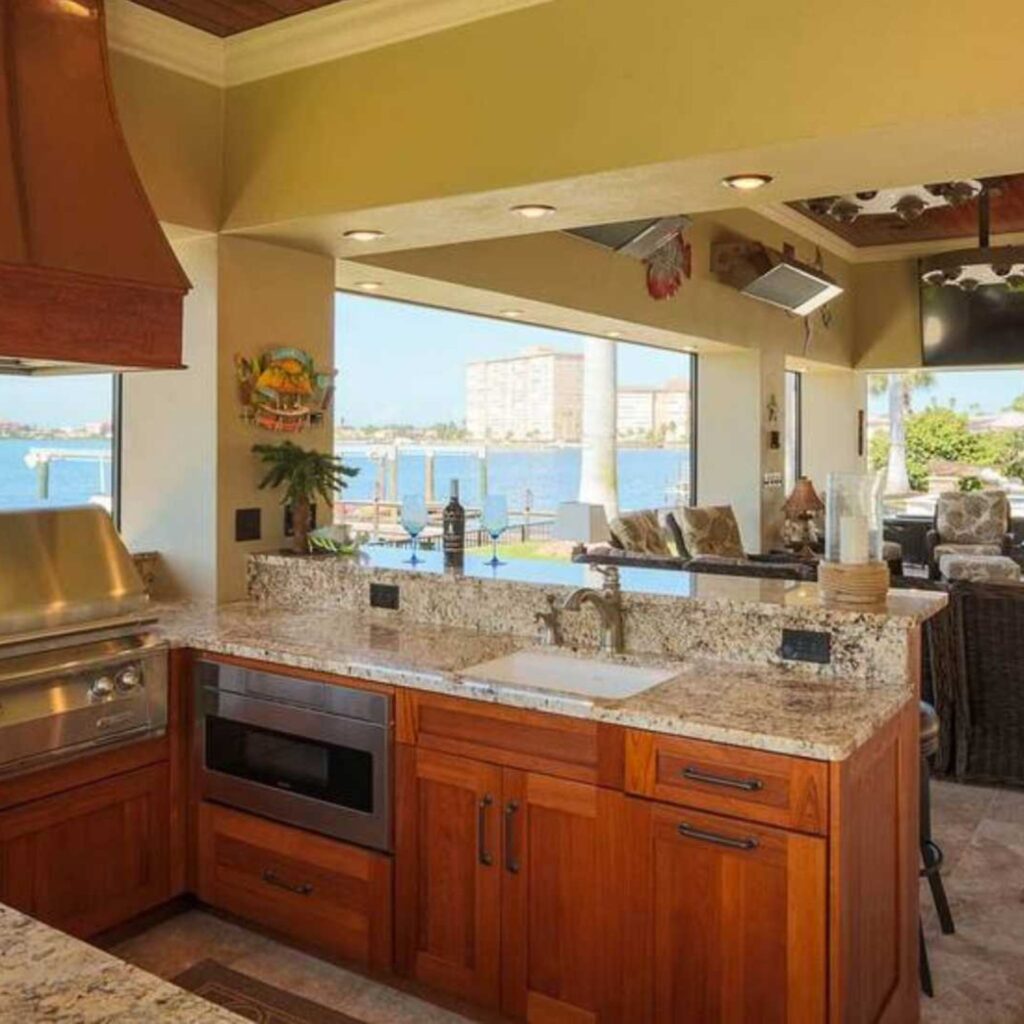
The aesthetic is specific and strong. It works beautifully in certain design directions: traditional farmhouse, industrial, dark and moody contemporary. In a bright coastal kitchen — which is a common design direction across the Tampa Bay metro — it can feel out of place.
How Soapstone Performs in a Tampa Bay Kitchen
Tampa Bay's climate adds a layer of consideration that doesn't apply everywhere. High humidity, salt air in coastal areas, and the general wear pattern of a Florida home all factor into material selection.
Heat Resistance: A Real Advantage
Soapstone handles heat well. You can set a hot pan directly on it without damaging the surface. For a serious cook, that matters. It's one of the few natural stones where heat resistance is a genuine strength, not just a marketing claim.
Scratching: The Trade-Off You Need to Understand
That same softness that makes soapstone feel smooth to the touch makes it vulnerable to everyday kitchen use. Knives, keys, pots dragged across the surface — all of these leave marks. Minor scratches can be sanded out with fine-grit sandpaper, which is either a reassuring feature or a maintenance burden depending on how you look at it.
If you have kids, pets, or a high-traffic kitchen, the scratching issue compounds quickly. The patina look can be appealing in theory and frustrating in practice. Bit, there's an upside: soapstone is easily shaped and refinished in the home. Sometimes a client will ask their fabricator to "age" the surface by purposely creating wear marks around the sink edges, or shape areas to drain into the sink. These hand-applied details can make a new soapstone kitchen feel like a 100 year old architectural gem. The same technics can be use to make an unsightly mar disappear.
Humidity and Coastal Conditions
Soapstone's non-porous nature is actually well-suited to humid environments. It won't absorb moisture, won't harbor bacteria the way a poorly sealed porous stone might, and won't stain from the condensation rings that are common in Florida kitchens. On that specific dimension, it outperforms granite that hasn't been recently sealed.
Slab Availability in This Market
Finding matched slabs for a large Tampa Bay kitchen is harder with soapstone than with more widely distributed materials. The supply chain is thinner than it is for granite, quartz, or quartzite. If you're working with a tight timeline or need multiple matched slabs, availability can become a real constraint. Watch out for fake soapstone (aka Phyllite). Phyllite comes mostly from Northern India that are misrepresented by local dealers as soapstone. They are not the same. For our most discerning clients, Granite-Plus sources its authentic soapstone from Bucks County, Pennsylvania. Fun Fact – the owner's mom did her whole kitchen out of Bucks County soapstone.
Soapstone vs. the Materials Tampa Bay Buyers Actually Choose
Most homeowners comparing countertops in this market are weighing granite, quartz, quartzite, and sometimes marble. Soapstone sits outside that mainstream comparison set — which is useful context.
Granite offers harder surfaces, broader color selection, and wider availability. It requires sealing, but a well-sealed granite countertop handles the Tampa Bay climate reliably. The pricing, durability, and what to expect from granite in Tampa Bay is a different conversation from soapstone — granite competes on volume and variety in ways soapstone simply can't.
Quartzite is where things get interesting for buyers who want a natural stone with visual drama and better hardness. If the appeal of soapstone is the organic, natural look, quartzite offers a compelling alternative with significantly better scratch resistance and a wider range of aesthetics.
Quartz (engineered) gives you non-porosity similar to soapstone but with far greater hardness, consistent color, and no ongoing maintenance. If low maintenance is the primary driver, engineered quartz is the stronger answer for most Tampa Bay households.
Marble is softer than granite but still harder than soapstone, and acids can etch its finish. We welcome marble in working kitchens: a quality modern sealer improves stain resistance, with a few light care habits. It does not prevent etching. Soapstone’s acid resistance remains a point in its favor.
For a broader look at how these materials stack up, the countertop materials section at granite-plus.net covers the full comparison in detail.
Who Soapstone Actually Works For
Soapstone is a niche material. That's not a criticism — it's useful information. It works well for a specific type of buyer:
- Someone who values the aged, handcrafted aesthetic and actively wants the patina to develop over time
- A homeowner doing a period restoration or farmhouse-style renovation where the material choice is intentional and design-driven
- A cook who prioritizes heat resistance and non-porosity over scratch resistance
- Someone willing to do periodic maintenance — mineral oil, occasional sanding — as part of owning the material
It's a harder sell for a Tampa Bay homeowner preparing a home for sale, working through a post-hurricane renovation on a deadline, or designing a bright coastal kitchen where the dark palette won't land right. In those scenarios, granite, quartzite, or quartz will serve the project better.
Finding a Fabricator Who Handles Soapstone
This is where the "near me" part of the search gets complicated. Soapstone is not a standard stock material for most Tampa Bay fabricators. The market here runs heavily on granite and quartz. Fabricators who work with soapstone regularly understand its specific cutting and finishing requirements — it behaves differently under CNC equipment than harder stones do.
When you're evaluating fabricators, ask directly whether they have recent soapstone projects in their portfolio. Ask about slab sourcing and lead times. Ask how they handle the finishing process, because soapstone requires a different approach than the materials most shops run daily.
At Granite Plus, our in-home consultation model is built around exactly this kind of material conversation. We come to your kitchen, look at your space, and give you a straight read on which materials actually fit your project — including whether soapstone makes sense or whether something else will serve you better. If soapstone is the right call, we'll tell you. If it isn't, we'll tell you that too.
If budget is a factor in your decision, it's also worth knowing that financing options are available for qualified customers — something worth understanding before you finalize your material choice.
The Honest Assessment
Soapstone is a real material with real strengths. The non-porosity, heat resistance, and distinctive aesthetic are all legitimate reasons to choose it. The softness, limited color range, maintenance requirements, and thinner supply chain in this market are all legitimate reasons to look elsewhere.
For most Tampa Bay homeowners, soapstone will lose the comparison to granite, quartzite, or quartz on practical grounds. But for the right project — the right kitchen, the right design direction, the right buyer — it's a compelling choice that holds up for decades.
The key is making that decision with accurate information rather than a photo that looked good on a screen.
If you're planning a kitchen renovation in the Tampa Bay metro and want a direct conversation about which material fits your project, the team at granite-plus.net offers free in-home consultations across the 7-county service area. Bring your questions about soapstone. Bring your questions about everything else. That's what the consultation is for.
Frequently Asked Questions
Is soapstone a good choice for Tampa Bay kitchens? It depends on the project. Soapstone's non-porous surface handles humidity well, which suits the Tampa Bay climate. But its softness makes it vulnerable to scratching in high-traffic kitchens, and its dark color palette doesn't fit every design direction common in this market. It works best for buyers who want the aged, natural aesthetic and are prepared for the maintenance it requires.
Does soapstone need to be sealed? No. Soapstone is naturally non-porous — it doesn't absorb liquids and doesn't require a penetrating stone sealer. That's one of its genuine advantages over granite and marble. Many homeowners apply mineral oil periodically to darken the surface and even out the appearance, but that's an aesthetic choice, not a protective requirement.
How hard is soapstone compared to granite? Soapstone rates between 1 and 2 on the Mohs hardness scale. Granite sits at 6 to 7. That's a significant gap in practical terms — soapstone scratches far more easily than granite under normal kitchen use. Minor scratches can be sanded out, but the surface will accumulate marks over time.
Can soapstone handle hot pans? Yes. Heat resistance is one of soapstone's strongest performance characteristics. You can place hot pots and pans directly on the surface without damaging it. That's a meaningful advantage for serious cooks and compares favorably to engineered quartz, which can be damaged by sustained direct heat.
Is soapstone widely available from Tampa Bay fabricators? Not as widely as granite or quartz. Soapstone is a niche material in this market, and not every fabricator stocks it or has regular experience working with it. If you're set on soapstone, ask specifically about slab availability and recent project experience before committing to a fabricator.
How does soapstone compare to quartzite for a natural stone look? Both are natural stones with distinctive visual character, but they perform very differently. Quartzite is significantly harder — typically rating 7 or higher on the Mohs scale — and resists scratching far better than soapstone. If the appeal of soapstone is the organic, natural stone aesthetic rather than the specific dark palette, quartzite is worth a close look.
What maintenance does soapstone actually require? Soapstone doesn't need sealing, but it does scratch. Minor scratches can be sanded out with fine-grit sandpaper. Many owners apply food-grade mineral oil periodically to maintain an even, darkened appearance — some do it monthly in the first year, then less often as the surface stabilizes. It's a low-chemical maintenance routine, but it's not a zero-maintenance material.